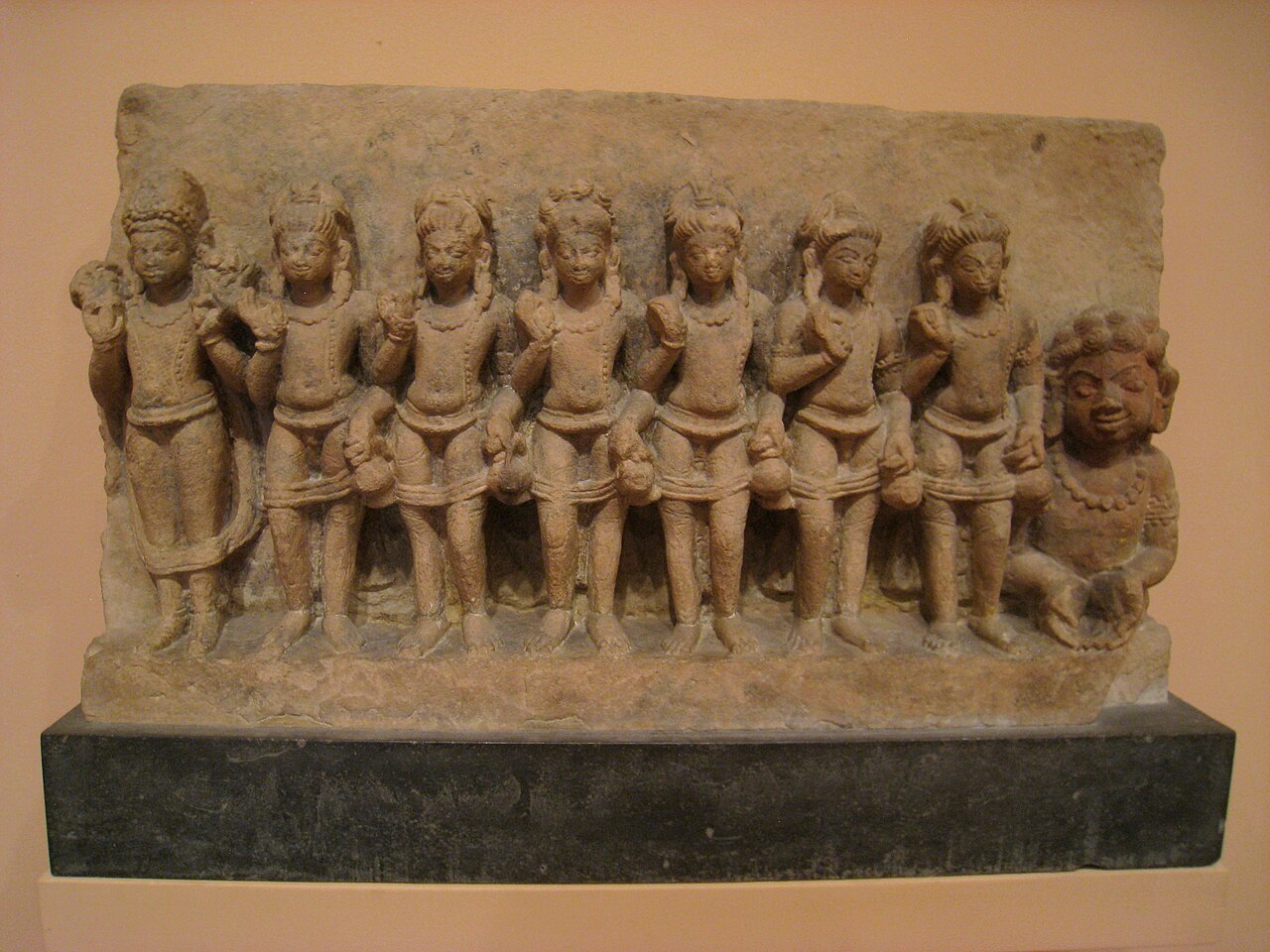
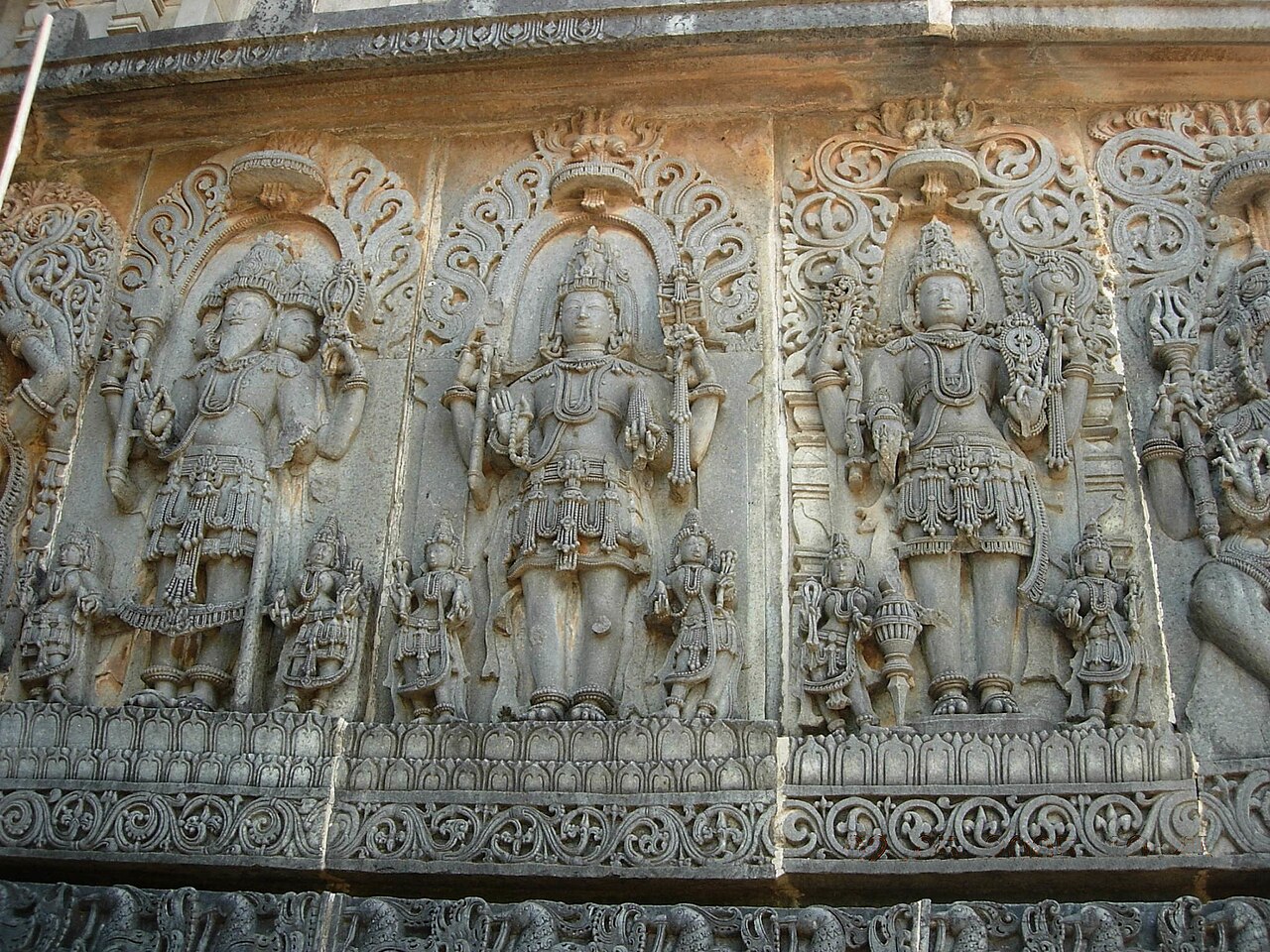
Shatabhisha Nakshatra, occupying 6°40' to 20°00' Aquarius in the sidereal zodiac, carries a profound mystery within its very name: "the hundred healers" or "the hundred physicians." Symbolized by an empty circle or a thousand-petaled lotus, this twenty-fourth lunar mansion represents the vast potential of healing, secrecy, and transformative knowledge. Ruled by the shadowy planet Rahu (the North Node of the Moon) and presided over by Varuna, the ancient deity of cosmic waters and moral law, Shatabhisha exists at the intersection of material reality and mystical understanding, offering both the poison and the antidote to life's deepest afflictions.
The empty circle that symbolizes this nakshatra is far from a void—it represents infinite possibility, the space from which all creation emerges and to which it returns. Ancient Vedic texts describe Shatabhisha natives as possessing an almost supernatural ability to perceive what remains hidden from ordinary view, whether that be disease in the body, deception in relationships, or corruption in social systems. This is the nakshatra of truth-seekers who refuse to accept surface explanations, diving deep into the waters of mystery to retrieve pearls of wisdom.
Core Characteristics
Individuals born under Shatabhisha Nakshatra possess a distinctive combination of intellectual brilliance and emotional complexity. Their ruling planet Rahu amplifies their hunger for knowledge, particularly in unconventional or taboo subjects. While other nakshatras may be content with traditional learning, Shatabhisha natives are drawn to alternative medicine, occult sciences, psychology, research into hidden phenomena, and cutting-edge technologies. They are the astrologers who challenge classical interpretations, the doctors who explore holistic healing, the scientists who question established paradigms.
The influence of Varuna, the cosmic deity of waters and divine order (Rita), grants Shatabhisha natives an innate understanding of universal laws and natural justice. Varuna sees all—nothing escapes his thousand eyes—and similarly, those born under this nakshatra possess penetrating insight into human nature. They can detect falsehood, sense hidden motivations, and understand the unspoken dynamics in any situation. This can make them excellent counselors, investigators, researchers, and healers of various types.
However, this penetrating vision comes with a burden. Shatabhisha natives often struggle with feelings of isolation and alienation. Their ability to see through social facades and recognize the shadow side of human nature can leave them cynical or withdrawn. The empty circle symbol reflects this tendency toward isolation—creating a protective boundary between themselves and a world that often seems superficial or dishonest. Many Shatabhisha individuals develop a preference for solitude, finding peace in meditation, study, or connection with nature rather than conventional socializing.
The healing dimension of this nakshatra manifests in multiple ways. Some Shatabhisha natives become literal healers—doctors, therapists, energy workers, or herbalists. Others heal through their words, creating art, literature, or philosophical works that help others process trauma and find meaning. Still others heal systems, working as reformers, activists, or innovators who address collective wounds. The "hundred physicians" suggests the multiplicity of healing approaches available to these individuals—they are rarely confined to a single methodology.
Rahu's influence brings restlessness and a constant desire for expansion. Shatabhisha natives may change careers multiple times, pursue education in diverse fields, or travel extensively in search of knowledge. They often feel like outsiders, regardless of their actual social position, and this outsider perspective grants them unique insights. Many become bridge-builders between different cultures, traditions, or paradigms of understanding.
Pada Breakdown
First Pada (6°40' - 10°00' Aquarius, Sagittarius Navamsa): The first pada falls in Sagittarius navamsa, ruled by Jupiter, bringing an optimistic and philosophical orientation to Shatabhisha's healing mission. These individuals are often drawn to teaching, counseling, or spiritual guidance. They possess natural wisdom and the ability to inspire others with their vision of possibilities. Their healing approach tends toward education and expansion of consciousness. They may excel in academic research, particularly in fields combining science and spirituality. There's less of the typical Shatabhisha isolation here—these natives can be quite social and generous when inspired by a meaningful cause.
Second Pada (10°00' - 13°20' Aquarius, Capricorn Navamsa): Placed in Capricorn navamsa ruled by Saturn, the second pada brings discipline, practicality, and ambition to Shatabhisha's healing gifts. These natives often achieve recognition in their professional fields, particularly in research medicine, pharmacy, chemistry, or systematic approaches to wellness. They combine Rahu's innovative impulses with Saturn's methodical approach, making them excellent at bringing alternative healing modalities into mainstream acceptance. The empty circle here becomes a container for structured knowledge. These individuals may face significant obstacles but develop tremendous resilience and expertise through persistent effort.
Third Pada (13°20' - 16°40' Aquarius, Aquarius Navamsa): The third pada, falling in Aquarius navamsa ruled by Saturn, represents the purest expression of Shatabhisha energy. These natives are true revolutionaries and reformers, challenging every convention and social structure. They possess brilliant minds, often attracted to cutting-edge science, technology, social innovation, or humanitarian causes. Their healing work typically addresses collective rather than individual suffering—they may become advocates for systemic change, environmental protection, or human rights. The isolation tendency is strongest here, as these individuals often feel centuries ahead of their time. They require freedom above all else and resist any form of control.
Fourth Pada (16°40' - 20°00' Aquarius, Pisces Navamsa): The fourth pada, placed in Pisces navamsa ruled by Jupiter, brings spiritual depth and compassionate wisdom to Shatabhisha's insight. These natives often serve as spiritual healers, intuitives, or artists who channel collective consciousness. The empty circle becomes a mystical void, a space of meditation and transcendence. They may be drawn to energy healing, sound therapy, mystical traditions, or creative arts that serve therapeutic purposes. There's a tendency toward escapism or substance issues here, as the boundary between self and other becomes permeable. When mature, they serve as powerful conduits for healing energy, offering compassion without losing their penetrating insight into truth.
Famous Personalities
Robin Williams, the legendary comedian and actor, exemplified Shatabhisha's complex nature with his Moon in this nakshatra. His ability to perceive and reflect human nature with devastating accuracy, combined with his use of humor as a healing force, demonstrated the "hundred healers" at work through entertainment. Yet his public persona masked deep struggles with depression and isolation—the shadow side of Shatabhisha's penetrating awareness. Williams brought joy to millions while wrestling privately with pain, illustrating how these natives often serve as healers while themselves needing healing.
Charles Darwin had his Moon in Shatabhisha Nakshatra, and his revolutionary theory of evolution through natural selection perfectly represents this nakshatra's ability to perceive hidden patterns and challenge established paradigms. Darwin's patient observation, unconventional conclusions, and willingness to pursue truth despite social and religious opposition exemplify Shatabhisha's research-oriented, boundary-breaking nature. His work fundamentally healed humanity's understanding of its place in nature, even though it initially caused tremendous controversy—another Shatabhisha trait.
Oprah Winfrey, with her Rahu in Shatabhisha, has built an empire centered on healing conversations, alternative wellness, and personal transformation. Her platform has introduced millions to therapeutic practices, spiritual teachers, and psychological insights that might otherwise have remained obscure. The Rahu placement amplifies her hunger for knowledge and her ability to spot emerging trends in consciousness and healing. Her own history of trauma and healing mirrors the nakshatra's journey from woundedness to becoming a "wounded healer" who helps others.
Other notable personalities with significant Shatabhisha placements include researchers, alternative medicine practitioners, and individuals who have revolutionized their fields by challenging conventional wisdom and introducing healing paradigms drawn from ancient wisdom or futuristic innovation.
Compatibility & Relationships
Relationships with Shatabhisha natives require patience, understanding, and respect for their need for independence. The empty circle symbol reflects their requirement for personal space—they need a partner who won't feel rejected by their periodic withdrawal into solitude or intensive study. They are deeply loyal once committed but resist possessiveness or emotional manipulation with fierce determination.
Traditionally, Shatabhisha is considered most compatible with Ardra Nakshatra (also ruled by Rahu), creating a mutual understanding of intensity and transformation. Both nakshatras deal with destruction and renewal, storms and clearing, and can appreciate each other's depth. Swati Nakshatra, also in Rahu's portfolio, shares the independence requirement and can create space for individual growth within partnership.
Purva Bhadrapada and Uttara Bhadrapada, ruled by Jupiter and Saturn respectively, can provide philosophical grounding and spiritual depth that Shatabhisha natives appreciate. These pairings can support Shatabhisha's healing mission while offering emotional stability.
Challenging combinations include nakshatras that require constant attention, emotional reassurance, or traditional relationship structures. Rohini, for instance, seeks security and sensual bonding that may feel confining to Shatabhisha's freedom-seeking nature. Magha's pride and formality might clash with Shatabhisha's irreverent approach to hierarchy and tradition.
In intimate relationships, Shatabhisha natives often serve as psychological healers for their partners, helping them understand their own patterns and traumas. However, they must be cautious not to become amateur therapists rather than equal partners. The tendency to analyze rather than simply feel can create emotional distance. They benefit from partners who can gently draw them out of their heads and into their hearts without demanding they abandon their intellectual nature.
Friendship comes more naturally than romance for many Shatabhisha individuals. They value intellectual connection, shared interests in mysteries or healing arts, and companions who respect their unconventional lifestyle choices. They're often the friend others turn to during crisis—the one with unexpected solutions and the ability to see clearly when emotions cloud others' judgment.
Parenting for Shatabhisha natives involves encouraging children's independence and curiosity while learning to provide emotional warmth that doesn't come as naturally to them as intellectual stimulation. They excel at teaching children critical thinking and respect for truth but may need to consciously cultivate affectionate expression and patience with emotional development.
The path of Shatabhisha is ultimately one of integration—learning to heal others while healing themselves, to connect authentically while maintaining necessary boundaries, and to bring their profound insights into practical service for the world. These hundred healers carry remedies for humanity's deepest wounds, but first they must journey through the empty circle, facing their own shadows before emerging as true physicians of body, mind, and spirit.
This article presents traditional Vedic astrology interpretations of Shatabhisha Nakshatra. Astrological profiles offer archetypal insights and should not be used as the sole basis for important life decisions. Individual charts contain multiple factors that modify nakshatra expressions, and personal growth always offers the possibility of transcending challenging patterns while developing inherent gifts.