Jyotish is not trendy astrology repackaged for the modern age. It is a 3,500-year mathematical tradition of observational astronomy, refined across generations of scholars who built stone observatories, worked within the mathematical culture that gave the world zero, and calculated planetary orbits with impressive care, all in service of understanding time and human experience. Every chart DashaFlow generates stands on the shoulders of this lineage.
Vedanga Jyotisha
The earliest known Indian text on astronomy and timekeeping. Attributed to Lagadha, it established the foundation for astronomical calculation in the Vedic tradition.
Brihat Parashara Hora Shastra
The foundational text of Vedic horoscopic astrology, attributed to Maharishi Parashara. Establishes the Vimshottari Dasha system, planetary significations, house meanings, and yogas that DashaFlow calculates today.
Yavanajataka
Translation of Greek astrological texts into Sanskrit, representing the exchange between Hellenistic and Indian astronomical traditions.
Aryabhatiya: Aryabhata
A landmark astronomical treatise establishing that Earth rotates on its axis. Aryabhata calculated the sidereal year at 365.25858 days, remarkably close to the modern value of 365.25636.
Surya Siddhanta
The most important astronomical text in the Indian tradition. Establishes detailed computational methods for planetary positions, eclipses, and the precession of equinoxes.
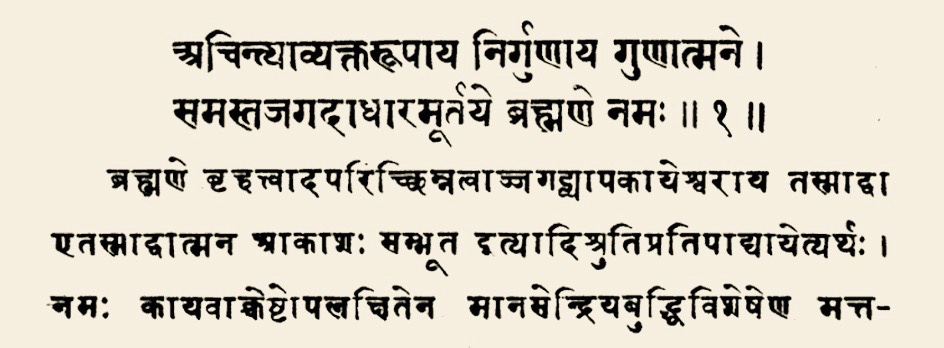
Brihat Jataka: Varahamihira
The classical authority on natal astrology. His work on planetary yogas is still cited today.
Brahmasphutasiddhanta: Brahmagupta
Advanced astronomical calculations, including the first systematic rules for computing with zero. Influenced both Indian and Islamic astronomy.
Siddhanta Shiromani: Bhaskara II
A high point of Indian mathematical astronomy. Bhaskara II worked with ideas that anticipate calculus, centuries before Newton and Leibniz.
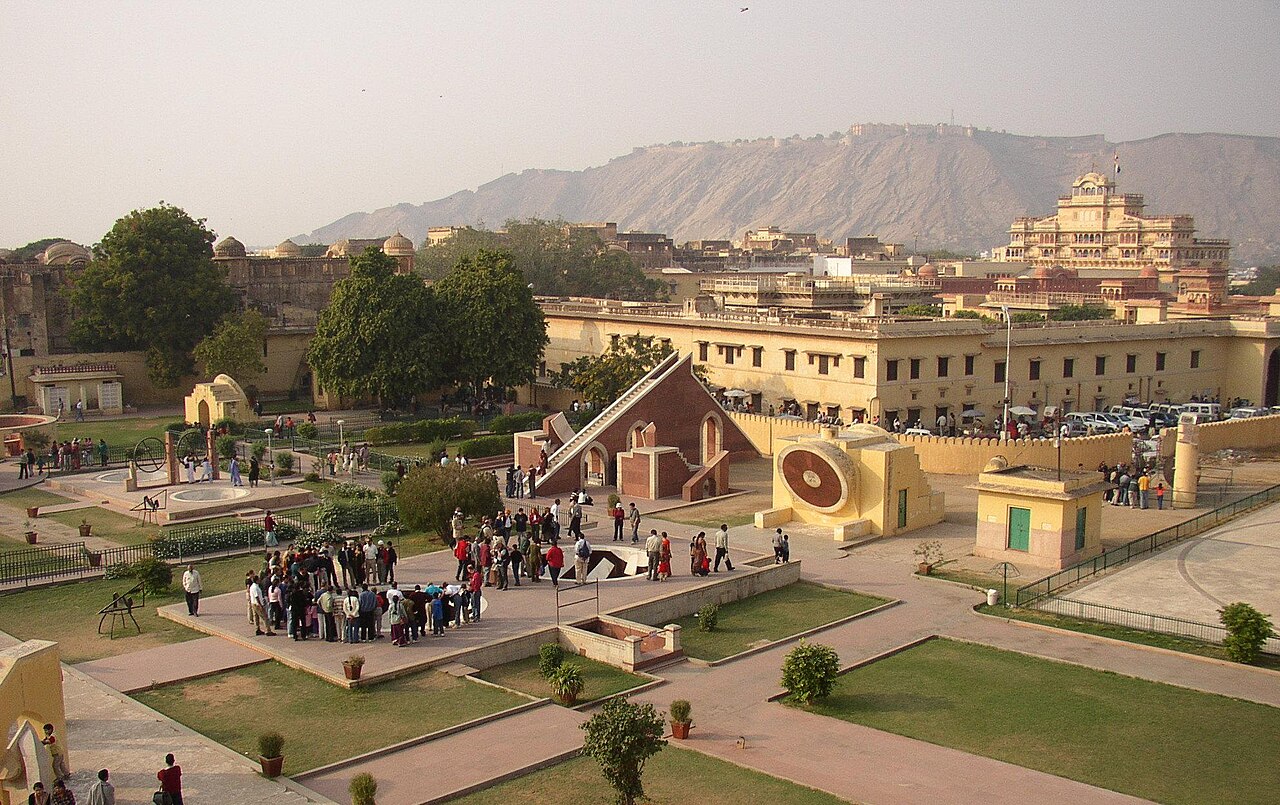
Jantar Mantar Observatories
Five massive stone astronomical observatories built across India. The Samrat Yantra at Jaipur stands 90 feet tall and measures time accurate to 2 seconds.
British Suppression of Indigenous Sciences
Colonial education systematically marginalized traditional Indian knowledge systems. The tradition survived through family lineages, temple schools, and private practitioners.
B.V. Raman: The Modern Pioneer
Born 1912, B.V. Raman brought Jyotish to a global English-speaking audience through The Astrological Magazine and dozens of authoritative books.
Swiss Ephemeris Released
Astrodienst releases the Swiss Ephemeris, among the most precise planetary calculation engines publicly available, computing positions to sub-arcsecond accuracy. DashaFlow uses this exact engine.
DashaFlow Launches
Combining Swiss Ephemeris precision with classical Jyotish interpretation and AI-powered analysis. 3,500 years of observation meeting 21st-century technology.
The tradition continues. Every chart generated by DashaFlow carries forward the work of Lagadha, Parashara, Aryabhata, Varahamihira, and the countless unnamed scholars who spent lifetimes perfecting the mathematics of the heavens. Their observations, refined across three and a half millennia, now run in moments, and the wisdom carries forward unchanged.
Experience the Tradition